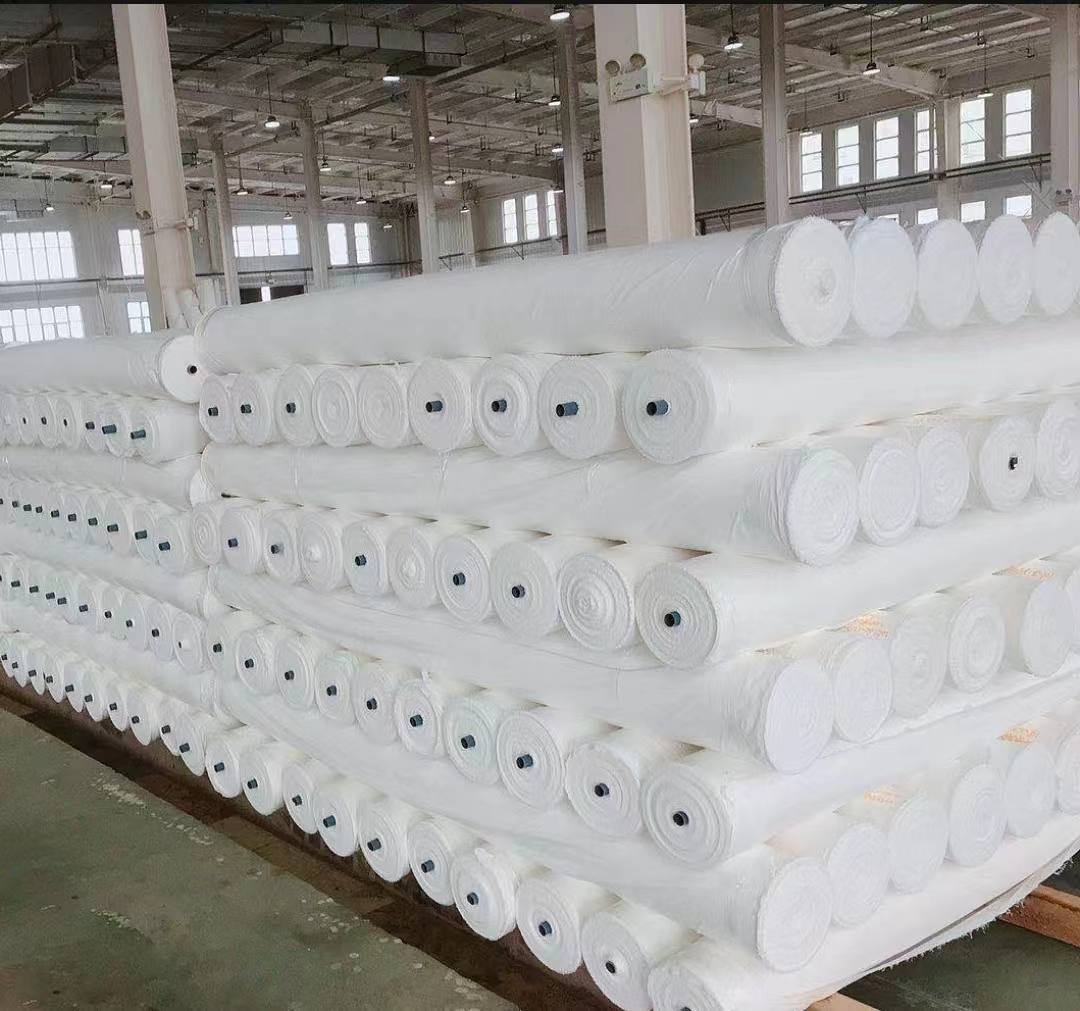
Fire retardant fabric is the backbone of industrial, construction, and commercial safety, protecting lives, equipment, and assets from the destructive power of fire. At Xintex, a professional manufacturer and exporter based in Shenzhen, China, we specialize in fireproof and waterproof technical textiles for industrial and construction safety applications. Our main products include fire-retardant tarps, machine covers, protective curtains, and insulation mats. With a strong focus on quality, all materials are tested to meet ASTM and NFPA standards. We support OEM/ODM services and are committed to providing reliable solutions for global partners.
In this comprehensive guide, we explain what fire retardant fabric is, how IFR fabrics work, the critical differences between treated and inherent options, testing standards, real-world applications, and how Xintex delivers certified, long-lasting solutions. Whether you are a safety manager, procurement specialist, or facility owner, understanding these details ensures compliance, reduces risk, and protects your operations worldwide.
What Does IFR Stand for in Fabric?
When you see the term “IFR” on a fire retardant fabric specification or certificate, it stands for Inherently Flame Retardant. This is one of the most important distinctions in the entire fire safety textile industry.
IFR means the flame-retardant property is built directly into the fiber during manufacturing — it is not added later as a chemical spray or dip. The protection is permanent because it is part of the molecular structure of the yarn itself. That single technical detail makes IFR fabrics vastly superior to treated fabrics for permanent installations where long-term compliance is required.
Common IFR fibers include aramid (Nomex, Kevlar), modacrylic blends, and specially engineered inherently flame-retardant polyesters. These fibers self-extinguish when exposed to heat and maintain their performance through repeated washing, abrasion, and environmental exposure. In industrial settings, IFR fabrics are preferred by safety engineers, fire marshals, and code inspectors because their protection never degrades over the life of the product.
At Xintex, we produce both treated and IFR versions, but our IFR tarps and machine covers are engineered with permanent inherent flame resistance that meets the highest ASTM and NFPA requirements. This means your investment in fire retardant fabric lasts the lifetime of the installation — no re-treatment, no loss of performance, and full peace of mind.
Fire Retardant Fabric: Understanding the Basics
Fire retardant fabric is any textile engineered to resist ignition, slow flame spread, and self-extinguish once the heat source is removed. Unlike ordinary fabrics that can ignite rapidly and continue burning, fire retardant fabric disrupts the combustion process at the molecular level.
Two primary technologies achieve this:
- Treated (FR) fabrics — non-flame-resistant base materials receive chemical additives after weaving.
- Inherently Flame Retardant (IFR) fabrics — flame resistance is engineered into the fiber during production.
Fire retardant fabric is not fireproof. It is designed to buy critical time for evacuation or fire suppression. In industrial environments, it is a legal requirement under OSHA, NFPA, and local fire codes. Our fire-retardant tarps, for example, are widely used to cover machinery, protect scaffolding, and shield valuable equipment from sparks, welding torches, and accidental fires.
At Xintex, every roll of fire retardant fabric undergoes rigorous in-house and independent testing. We guarantee that our products improve workplace safety, protect valuable equipment, and support safer working conditions worldwide. Our mission is to provide reliable fireproof and waterproof protection solutions for industrial and construction environments through durable materials, practical design, and consistent quality.
What Is the Difference Between Fire Retardant and Flame Resistant Fabrics?
While “flame resistant” and “fire retardant” are sometimes used interchangeably, they describe different technologies and levels of protection. Understanding the difference is essential for code compliance and long-term safety.
Fire Retardant Fabric (General Term)
Fire retardant fabric is the broad category that includes both treated and inherent types. It simply means the material has been made to resist or slow fire.
Flame Resistant Fabric (Specific Technology)
Flame resistant fabrics are those whose flame-retardant properties are built into the fiber structure (IFR). They are a subset of fire retardant fabrics but offer permanent, non-degrading performance.
Clear Comparison Table
| Feature | Fire Retardant Fabric (Treated / FR) | Flame Resistant Fabric (Inherent / IFR) |
|---|---|---|
| Mechanism | Chemical treatment applied after fabric is woven | Flame-retardant additives built into the fiber during manufacturing |
| Permanence | Performance can diminish with washing, abrasion, or UV exposure | Permanent — protection never washes out or degrades |
| Durability | Typical lifespan 1–3 years depending on care | Lifetime of the product |
| Maintenance | May require periodic re-treatment | No re-treatment needed |
| Code Inspector Preference | Accepted for temporary or low-to-moderate risk applications | Preferred for permanent commercial and industrial installations |
| Best Applications | Short-term construction curtains, warehouse tarps | Long-term machine covers, protective barriers, high-hazard facilities |
| Standards Examples | NFPA 701, ASTM D6413 (treated performance) | NFPA 2112, ASTM F1930, ASTM F1506 (inherent performance) |
As industry experts explain, treated fire retardant fabric acts like a temporary “brake” on flame spread, while IFR (flame resistant) fabric functions like a permanent “wall” that never lets the protection wear away. Choosing the correct type is critical for both safety and regulatory compliance.
Types of Fire Retardant Fabrics
Fire retardant fabrics come in several performance categories, each suited to different environments.
Inherent Flame Retardant (IFR) Fabrics
The highest-performing type. Flame resistance is molecularly embedded in the fiber. Popular examples include aramid blends (Nomex/Kevlar), modacrylic, and advanced inherently flame-retardant polyesters. These fabrics are ideal for permanent installations where long-term reliability is essential.
Treated Fire Retardant Fabrics (FR)
Base fabrics receive chemical treatments after production. These are generally more affordable but require ongoing maintenance and are best for temporary or lower-risk applications.
Durably Treated vs. Non-Durable
Durably treated fabrics undergo multiple wash cycles during manufacturing to simulate real-world laundering. Non-durable versions are cheaper but lose effectiveness faster and are not recommended for industrial use.
At Xintex, we offer both IFR and treated options with full ASTM and NFPA certification. Our fire-retardant machine covers and protective curtains are available in IFR versions for customers who demand permanent performance that never washes out.
Fire Retardant Fabric Standards and Testing
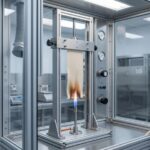
Quality control is non-negotiable. All Xintex fire retardant fabrics are independently tested to international standards.
Key ASTM Standards
- ASTM D6413 — Vertical flammability test (treated fabrics)
- ASTM F1506 — Arc-rated textile materials
- ASTM F1930 — Instrumented mannequin test
- ASTM E84 — Surface burning characteristics
Key NFPA Standards
- NFPA 701 — Flame propagation test
- NFPA 2112 — Short-duration thermal exposure (flash fire protection)
- NFPA 70E — Electrical safety in the workplace
Our IFR fabrics carry permanent inherent certification that remains valid for the life of the product. This documentation is critical for insurance, regulatory audits, and legal protection.
Common Applications of Fire Retardant Fabric
Fire retardant fabric is used across virtually every high-hazard industry.
Industrial Machine Covers
Protect heavy equipment from sparks, hot embers, or accidental fires. Our waterproof IFR machine covers shield machinery in factories and workshops.
Construction Site Tarps and Scaffolding Covers
Fire-retardant tarps cover materials and equipment on job sites where welding, torches, and open flames are common.
Protective Curtains and Barriers
Divide rooms or areas to contain fire spread and protect exits and critical assets.
Insulation Mats and Protective Liners
Used under heavy machinery and in thermal protection applications.
At Xintex, we also produce custom IFR solutions for OEM clients who require specific weights, colors, or treatments for their unique applications.
Benefits and Advantages of Fire Retardant Fabric
Choosing the right fire retardant fabric delivers multiple advantages:
- Safety — Reduces burn injury risk and fire spread
- Compliance — Meets ASTM, NFPA, and local codes permanently
- Durability — IFR versions last the lifetime of the product
- Cost Savings — Prevents equipment damage and costly downtime
- Flexibility — Available in various weights, sizes, and colors for custom OEM solutions
Our IFR fire-retardant tarps, for example, are waterproof, UV-resistant, and built to withstand harsh outdoor conditions — all while maintaining full flame-retardant performance year after year.
How Xintex Delivers Reliable Fire Retardant Fabric Solutions
As a professional manufacturer and exporter in Shenzhen, China, Xintex specializes in fireproof and waterproof technical textiles. Our mission is to provide reliable fireproof and waterproof protection solutions for industrial and construction environments. We focus on developing high-performance technical textile products that improve workplace safety, protect valuable equipment, and support safer working conditions worldwide.
Our vision is to become a trusted global brand in industrial protective textiles and safety covering solutions. We build long-term partnerships with customers across North America and beyond by delivering innovative, certified, and application-focused products for industrial maintenance, equipment protection, and construction safety.
Core values guide everything we do:
- Safety First — We prioritize protection, compliance, and dependable performance.
- Quality Driven — We focus on durable materials and strict quality control.
- Customer Partnership — We work closely with customers to develop practical solutions.
- Innovation & Improvement — We continuously improve materials and applications for evolving industrial needs.
- Long-Term Reliability — We value stable cooperation and sustainable business growth.
Whether you need large-volume IFR fire-retardant tarps or custom machine covers, our OEM/ODM services and global logistics ensure timely, cost-effective delivery with full ASTM and NFPA documentation.
FAQ About Fire Retardant Fabric
What does IFR stand for in fabric?
IFR stands for Inherently Flame Retardant. The flame-retardant property is built into the fiber during manufacturing and remains permanent throughout the life of the product.
Is IFR fabric the same as fire retardant fabric?
Yes, IFR is a specific type of fire retardant fabric. All IFR fabrics are fire retardant, but not all fire retardant fabrics are IFR (treated fabrics are also fire retardant).
Do IFR fabrics lose performance after washing?
No. Because the protection is inherent in the fiber, IFR performance never washes out or degrades.
What standards must IFR fire retardant fabric meet?
IFR fabrics must meet NFPA 2112, ASTM F1506, ASTM F1930, and other application-specific standards to maintain permanent certification.
Can IFR fabric be used outdoors?
Absolutely. Our IFR fire-retardant tarps are waterproof and UV-resistant and are specifically designed for construction and industrial outdoor use.
How long does IFR fire retardant fabric last?
I FR fabrics last the lifetime of the product with no loss of performance, even after repeated washing and heavy use.
Is IFR fabric safe for human contact?
Yes. When properly certified and free of harmful chemicals, our IFR fabrics are skin-safe and used in PPE applications and protective coverings.
Ready to Choose the Best Fire Retardant Fabric for Your Operation?
Don’t settle for temporary protection that can fail when you need it most. Whether you require custom IFR fire-retardant tarps, machine covers, protective curtains, or insulation mats tested to ASTM and NFPA standards, Xintex delivers reliable, innovative solutions backed by years of expertise in Shenzhen. Our team is ready to partner with you — contact us today for a free quote, sample, or consultation. Let us help you build a safer, more compliant operation that protects your people, your equipment, and your bottom line. Partner with Xintex for long-term reliability and global support.